

Leading Teams & Managing Change in the Digital Era
Fundamental
9:00am - 5:00pm (1-Day)
Pre-requisite: No
INTRODUCTION
“Leadership is not just a position; it is the ability to influence behavior, performance, and acceptance of change.”
Today’s work environment requires frontline leaders and middle managers to lead with clarity, consistency, and accountability, especially when the organization is undergoing changes in processes, systems, structures, or KPIs.
This training is designed as a practical program to develop core leadership and people management skills: setting expectations, delegating with discipline, coaching performance, providing feedback, handling difficult conversations, and leading change while reducing resistance.
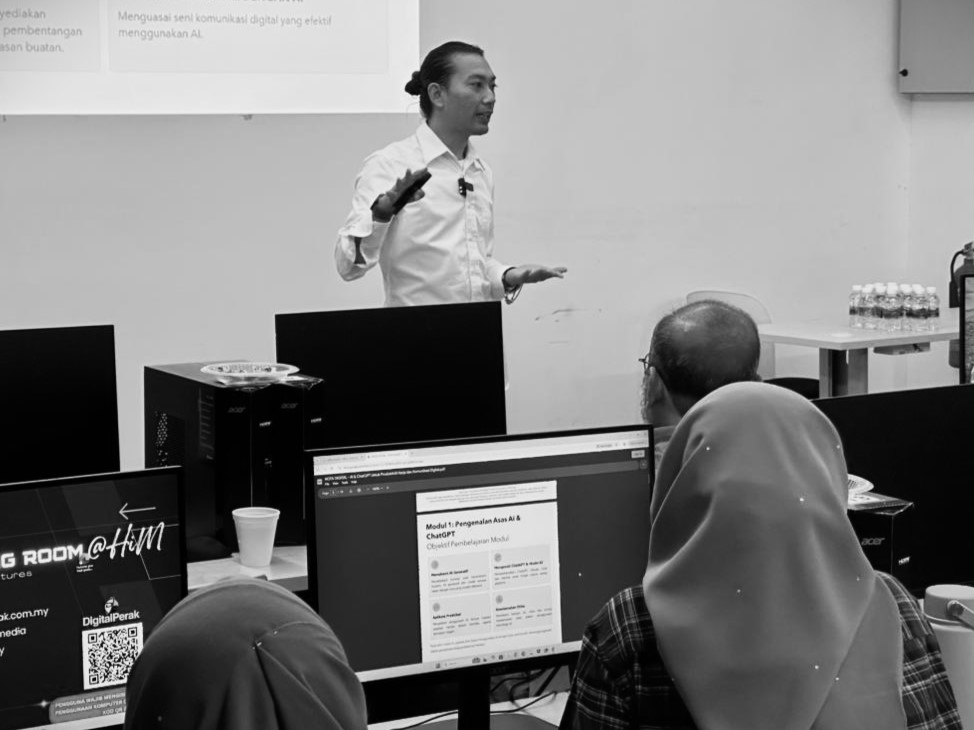
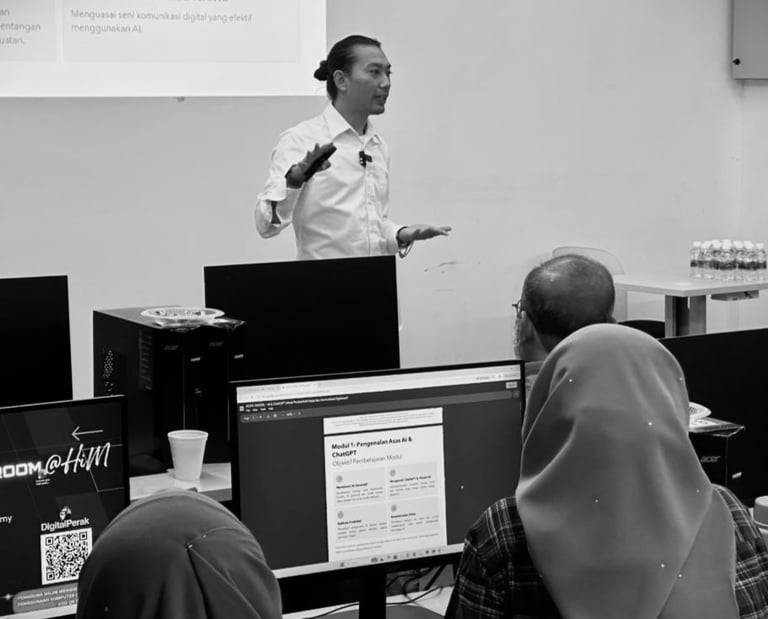
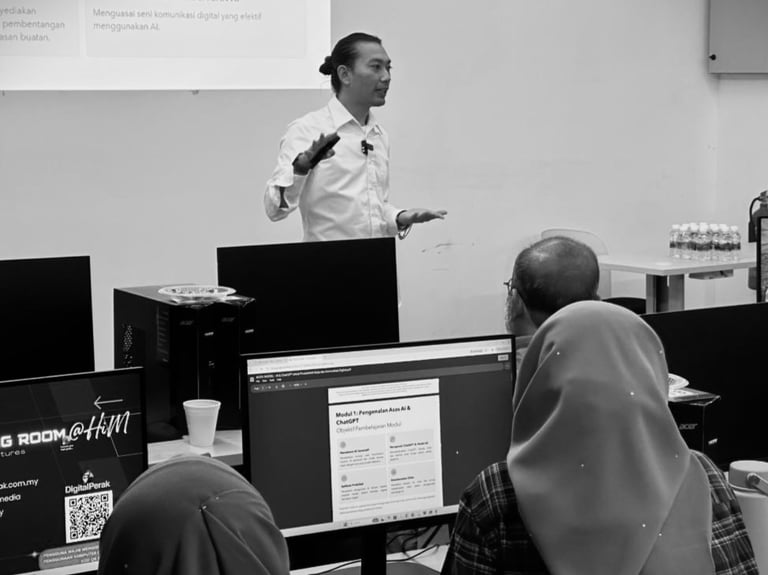
The program is highly interactive, featuring role plays, workplace simulations, and tools/templates that participants can immediately apply after the training.
WHO SHOULD ATTEND?
Supervisors, Team Leaders, Unit/Section Heads
Assistant Managers / Managers
High-potential staff preparing for leadership roles
Any officers responsible for managing team performance and changes in work processes, systems, or structure
COURSE OBJECTIVE
To equip participants with practical leadership skills that enable them to distinguish between leadership and management roles, model behaviors that drive team performance, set clear direction and expectations, delegate effectively with follow-through, coach and provide performance feedback professionally, handle difficult conversations and conflicts using structured frameworks, and lead organizational change by reducing resistance and fostering adoption through effective communication and support.


LEARNING OUTCOME
Apply core leadership behaviors: clarity, consistency, empathy, and accountability in real workplace situations.
Write and communicate clear work expectations (deliverables, standards, timelines) and delegate tasks with follow-up monitoring.
Use a coaching approach (questioning, active listening, action planning) and provide behavior-based, specific feedback.
Handle difficult conversations using a structured framework: Facts → Impact → Expectations → Agreement, including de-escalation techniques.
Build a simple change management plan: identify stakeholders, craft key messages, select communication channels, address resistance, and establish support routines.
Produce a Leadership Action Pack (scripts, plans, and templates) that can be immediately applied in the workplace.
By the end of the course, participants will :
TRAINING METHODOLOGY
Face-to-face, practice-heavy training
Intensive role plays and realistic workplace simulations
Guided drills for coaching, feedback, and difficult conversations
Group workshops to create scripts, plans, and templates for immediate use
Direct facilitator feedback to improve leadership style and communication
COURSE CONTENT
Module 1: Leadership Fundamentals (Clarity and Accountability)
Objective: To provide participants with a clear understanding of the difference between leadership and management, build trust and consistency, and develop core leadership behaviors that ensure clear direction and accountable execution.
Leadership vs management: understanding the difference
Trust, consistency, standards, and follow-up
Leadership styles and when to apply them
Leader responsibilities: direction, support, and execution discipline
Module 2: Communication & Setting Expectations (Effective Delegation)
Objective: To equip participants with practical skills to set clear expectations, delegate responsibly, and align priorities to reduce conflicting messages.
Setting expectations: deliverables, standards, timelines
Delegating with accountability, not simply offloading tasks
Aligning priorities and reducing conflicting messages
Role play: expectation-setting conversations
Module 3: Coaching, Feedback & Performance Management
Objective: To enable participants to coach effectively, deliver behavior-based feedback, and manage performance issues constructively.
Coaching vs directing vs correcting
Feedback: timely, specific, and behavior-based
Managing underperformance: root cause analysis and action planning
Role play: coaching and feedback sessions
Module 4: Difficult Conversations & Conflict Management
Objective: To equip participants with structured techniques to handle challenging conversations and workplace conflicts while maintaining professionalism.
Common issues: attitude, behavior, and performance
Framework: Facts → Impact → Expectations → Agreement
De-escalation techniques and maintaining professionalism
Role-play simulation: handling challenging staff situations
Module 5: Change Management Fundamentals (Leading Adoption)
Objective: To provide participants with practical methods to lead change, reduce resistance, and foster acceptance through effective communication and stakeholder engagement.
Why people resist change
Communication framework: Why, What, How
Drivers of adoption: champions, support, feedback loops
Workshop: develop a simple change plan for a workplace change


Leadership, People Management & Change Management
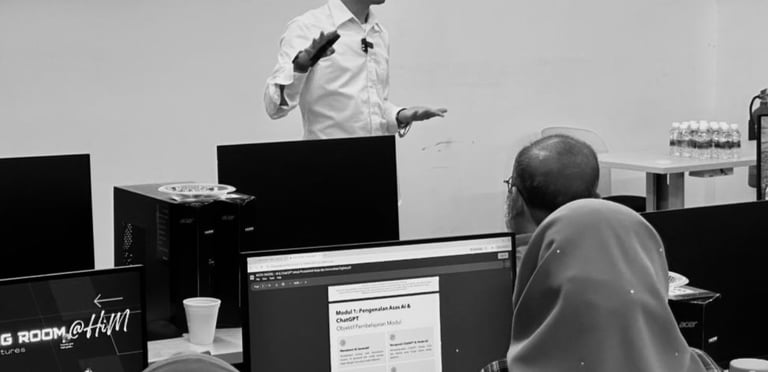
Leading Teams & Managing Change in the Digital Era

Available Upon Request
9:00am - 5:00pm
1-Day
SH insights Services (SA0632854-A)
Level 41, Vista Tower, The Intermark
348, Jalan Tun Razak
50400 Kuala Lumpur
Malaysia

Copyright © 2026 SH-insights. All rights reserved.